
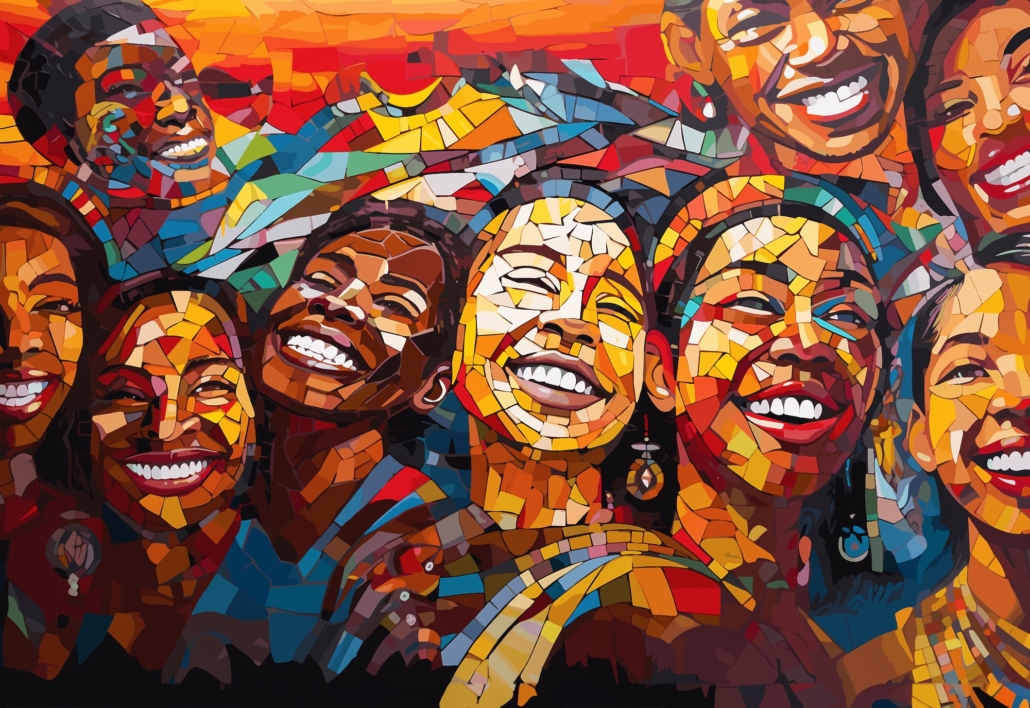
World View: Global Ciphers Dialogues Across Difference
Team: Anya Booker, Rosalind McGary
Using Resetting the Table’s Train the Trainer methodology, this team will co-create and pilot a call-and-response exchange tool with student and professional artists, treating each exchange as both art-making and curriculum and laying the groundwork for a global call-and-response exchange during the 2028 Olympic and Paralympic Games.
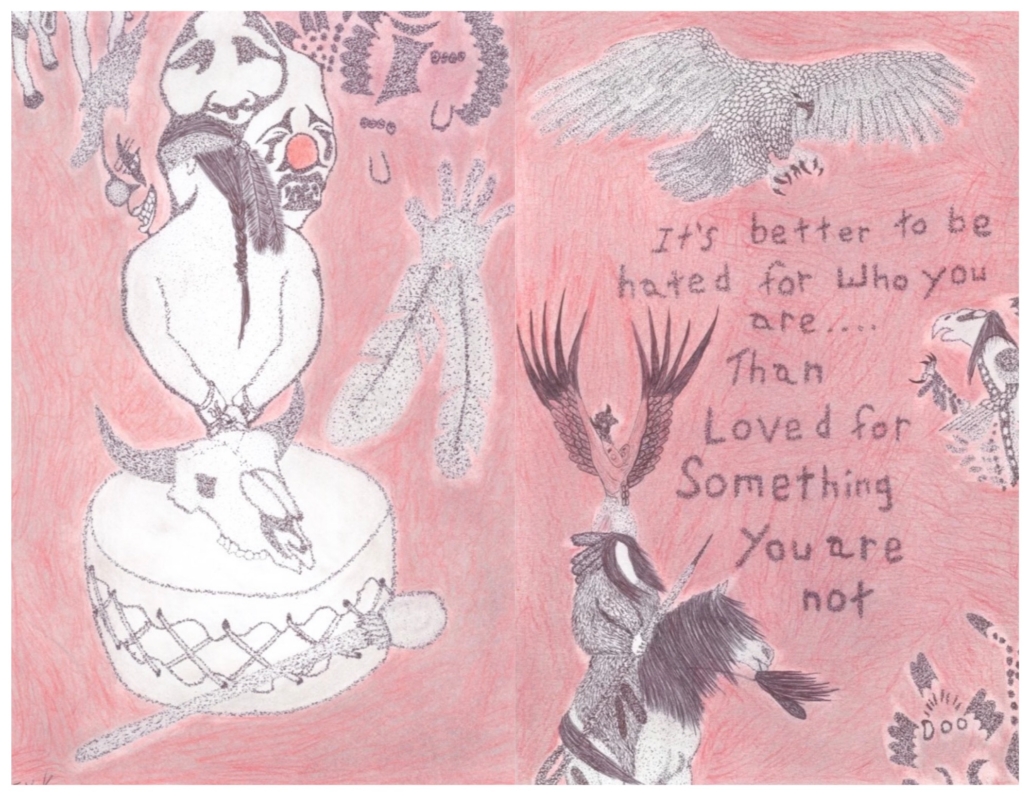
Carceral Hate and Kindness: The Power of Prison Performances
Team: Tria Blu Wakpa
This project intervenes into existing scholarly literature using the lenses of hate and kindness to examine mass incarceration and pow wows, boxing, rodeo, and yoga in carceral contexts, illuminating both insidious carceral violence as well acts of “kindness” that occur in prisons that challenge stereotypes of incarcerated people as “scary,” “threatening,” and “savage” and offers possibilities for more life-sustaining and lifesaving interventions both within and outside of prisons.
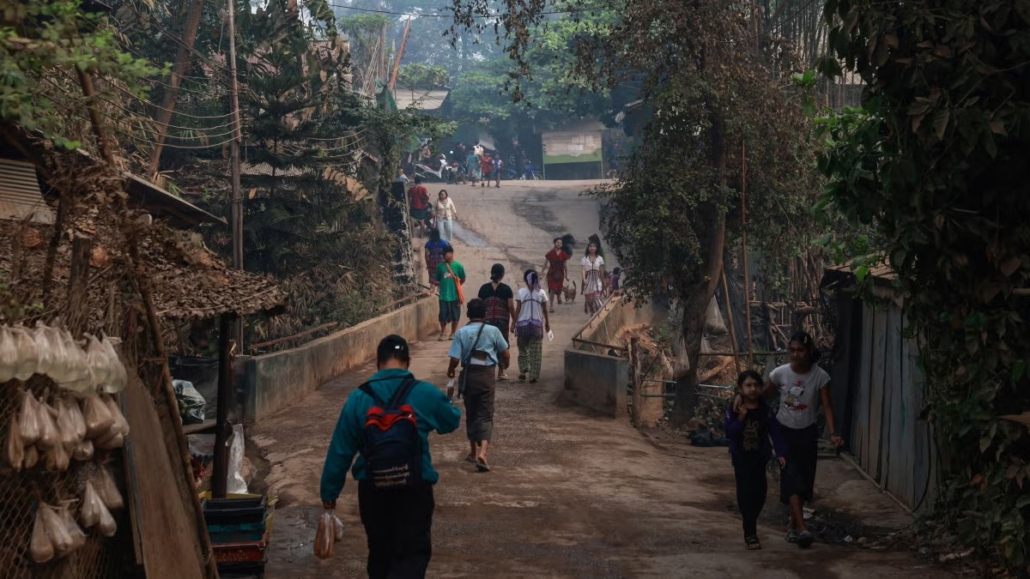
From Limbo to Belonging: Evaluating Kindness, Trust-Building, and Social Cohesion Interventions Among Displaced Myanmar Women in Thailand
Team: Wei-Ti Chen, Yuka Imai
Building on an ongoing project of Myanmar women displaced to Mae Sot, Thailand, this study will explore how community-based kindness and trust-building interventions influence participants’ experiences of belonging, social trust, constructive engagement across differences, and wellbeing.

Fostering Olympics-Related Civil Discourse Through AI Conversational Nudges
Team: Saadia Gabriel, Elisa Borowski, Ashima Suvarna
This project uses large language models (LLM’s) to analyze community discourse around a series of infrastructure projects being developed in preparation for the 2028 Olympic and Paralympic games, and will utilize this analysis to develop LLM-based chatbot interventions to redirect online discourse towards prosocial, constructive dialogue that can enable community engagement in developing equitable infrastructure changes.

AI Groups and the Future of Hate
Team: Fanna Gamal
This project surveys the emerging equality law frameworks aimed at protecting AI groups from hate and structural discrimination, critiquing the assembly of AI groups as a racially discriminatory and unavoidable feature of informational capitalism and concluding with law and policy prescriptions to protect AI groups from hate in the digital age.

Online Kindness Intervention
Team: AnnaLise Hoopes, Christine Ong
This project aims to address the troubling and increasing rates of cyberbullying online and the impact of cyberbullying on youth by creating a curricular intervention for upper elementary school students which would provide students with the tools, training, and modeling students need to practice online kindness.
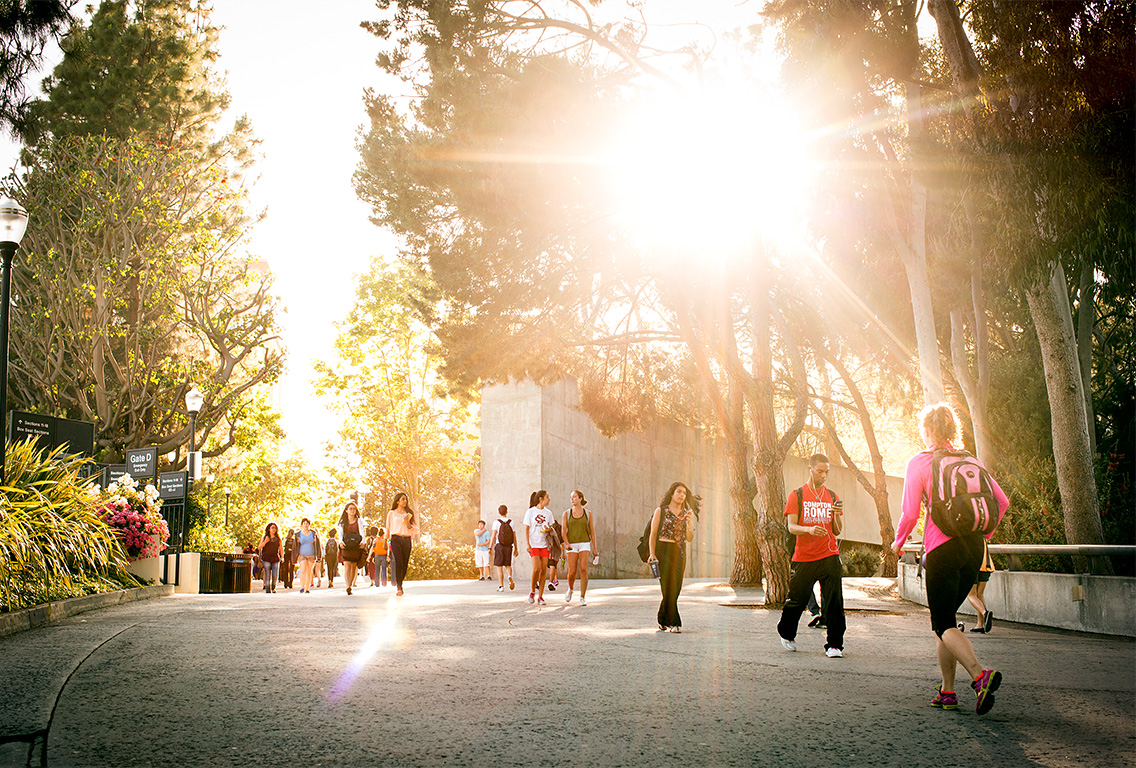
When kindness is hard: Prosocial action across disagreement on campus
Team: Subeen Jang, Richard Desjardins
This study asks under what conditions UCLA students are willing to engage in kindness-related prosocial action on contested campus issues, aiming to advance research on kindness and prosocial behavior and offer guidance for fostering kindness and constructive dialogue on campus.
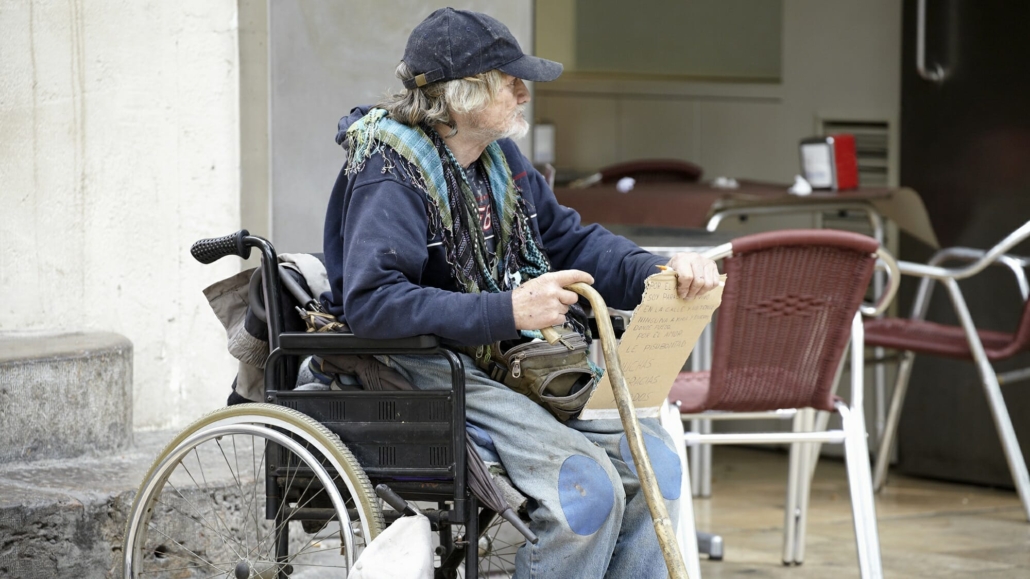
From Stories to Policy Action: Cultivating Compassion and Public Support for Older Adults Experiencing Homelessness in Los Angeles
Team: Sarah Kang, Seewoo Li, Lois Angelo, Sawyer Hogenkamp, Lene Levy-Storms
This project tests a scalable, narrative-based intervention to cultivate compassion and strengthen public support for evidence-based housing policy with the goal of helping to ensure that unhoused older adults are treated with dignity, not exclusion, as Los Angeles prepares for and executes the 2028 Olympic Games.
Piloting Intergenerational Community Engagement to Reduce Ageism: Kindness and Hate Go Both Ways
Team: Lene Levy-Storm, Naomi Eisenberger, Eunice Kim
This study will evaluate interpersonal processes and outcomes from student–older adult interactions and will use qualitative and AI-assisted analyses of audio and video recordings to identify the interpersonal mechanisms that facilitate or impede intergenerational relationship development.
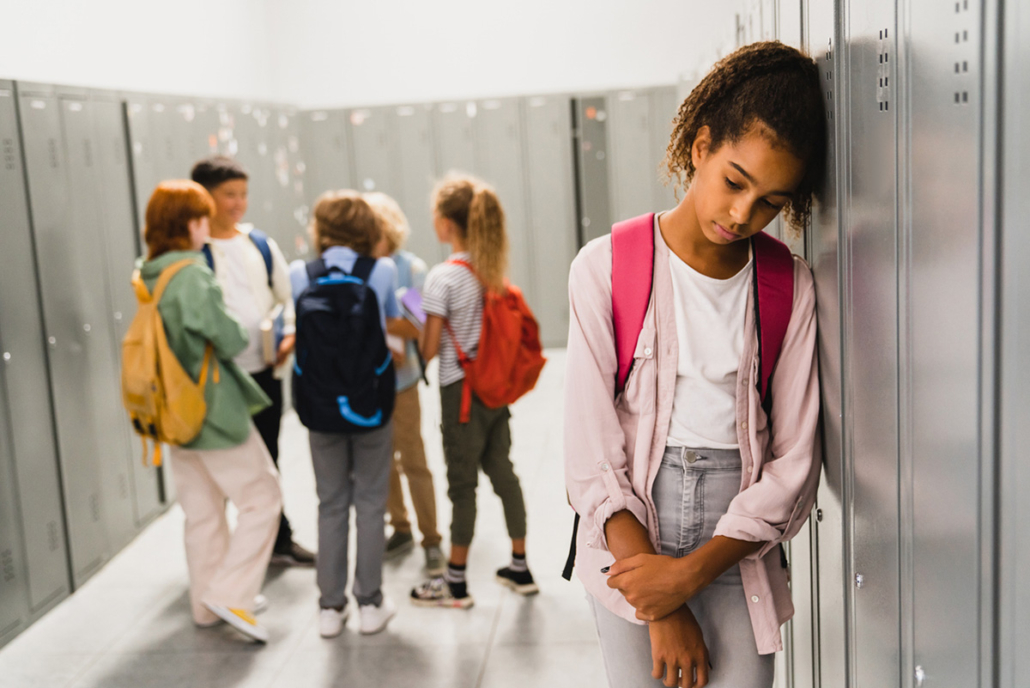
Beyond Punishment: Documenting Restorative Justice Practices for Youth Identity-Related Harm
Team: Emily Maruin-Waters, Laura Wray-Lake
This study examines how Restorative Justice practitioners conceptualize identity-related harm, balance individual accountability with attention to structural and systemic conditions, and understand effectiveness, ultimately aiming to develop practical guidance for schools, RJ training organizations, and policymakers seeking non-punitive alternatives to bias-related harm among youth, including LGBTQ+ youth and youth of color who are disproportionately affected by both identity-related harm and punitive responses to it.
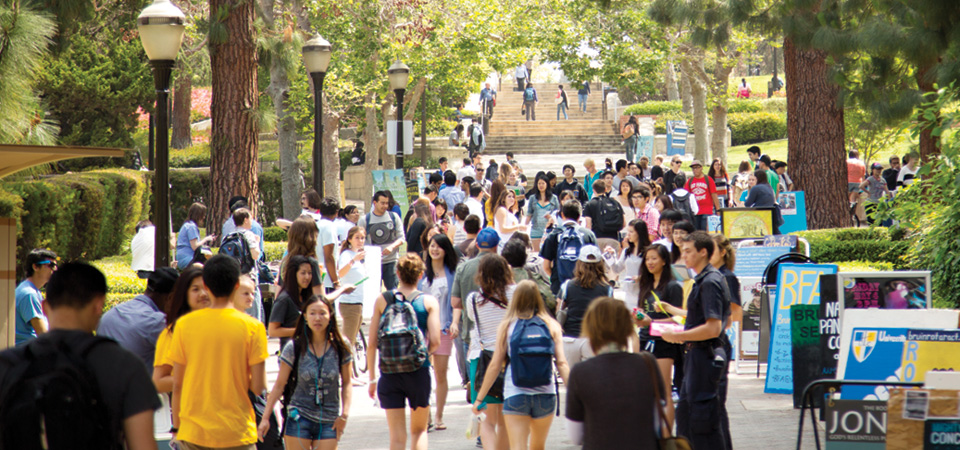
Bridging Divides: Evaluating Intergroup Dialogic Student Experiences
Team: Christian Milian Santiago, Sylvia Hurtado, Aaden Poyuzina
This study seeks to measure the outcomes of dialogue-based programming in higher education settings to better understand the meaning students assign to their experiences and the real-world impact of such programming.
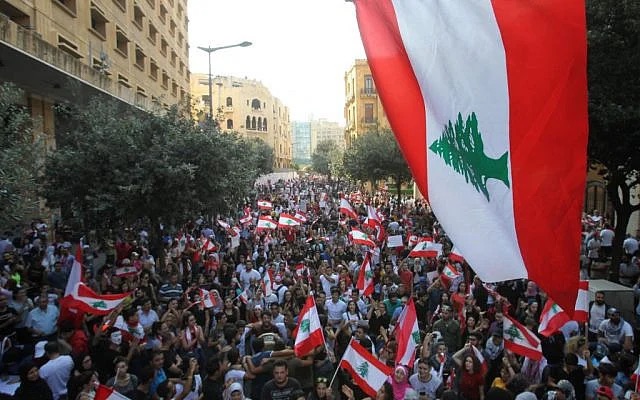
Inequality Without Solidarity: Can Correcting Misperceptions Erode Sectarianism in Lebanon?
Team: Salma Mousa, Augustin Bergeron, Lydia Assouad, Giulia Buccione
This project tests whether correcting misperceptions about intergroup (Christian and Shia) inequality in Lebanon can build cross-sectarian solidarity.

More Than Company: Isolating the Unique Benefits of Prosocial Acts for Loneliness, Compassion, and Mental Health
Team: Maria Naclerio, Naomi Eisenberger
This study will test whether acts of kindness toward others improve mental health and uniquely increase compassion and empathy–and stave off loneliness–beyond social activity alone, aiming to inform the design of evidence-based activities for campus wellness, mental health education, and community well-being initiatives.
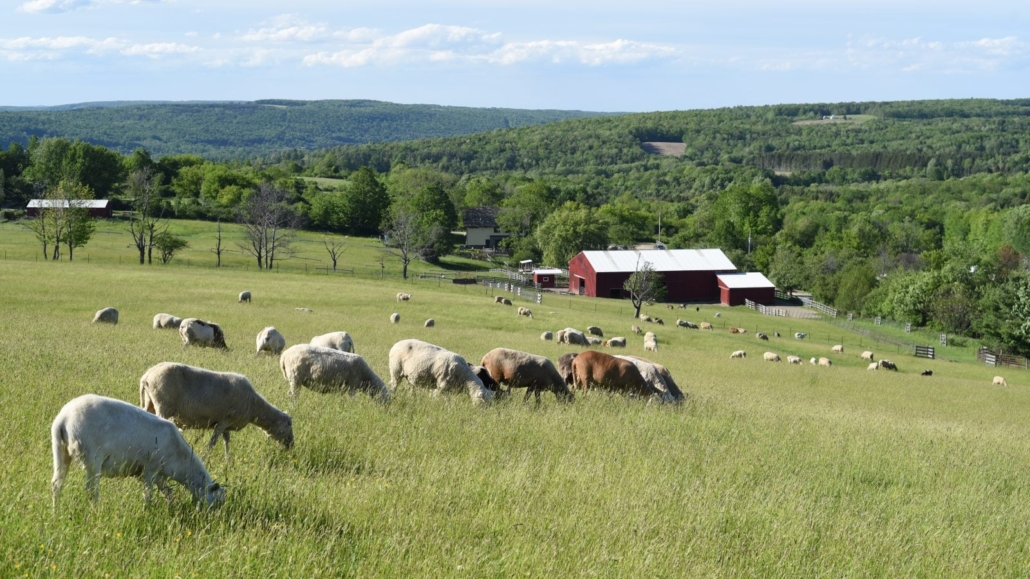
Effecting Kindness: Farmed Animal Sanctuaries, Compassion, and Prosociality
Team: Janet O’Shea, Arvind Thomas
This project explores the impact of farmed animal sanctuaries and their different kinds of outreach efforts – such as tours, private visits, public events, and student programs – on visitor experiences of compassion and kindness toward non-humans and humans alike.
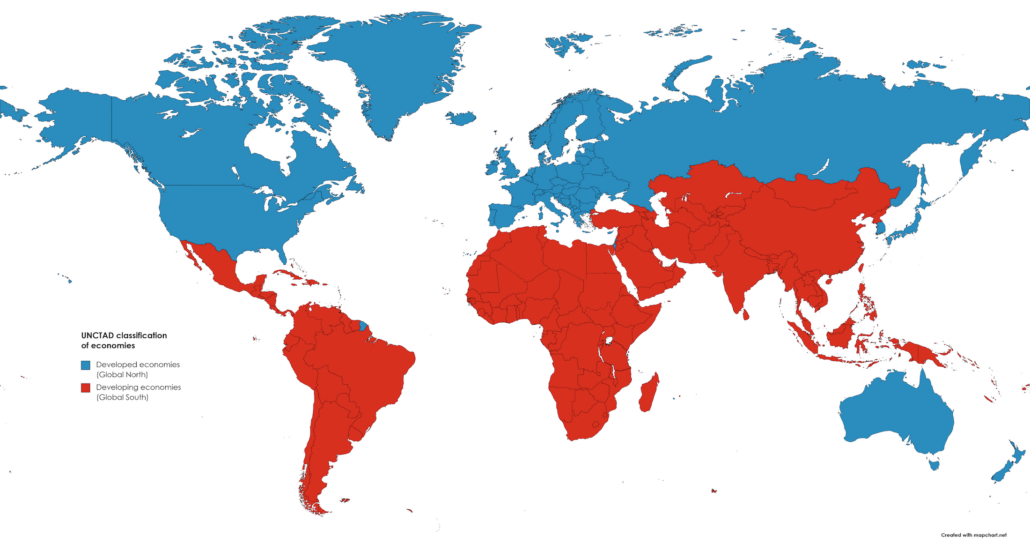
Bridging the Epistemic Divide: Empathy, Social Cohesion, and Constructive Dialogue in Geopolitically Divided Societies
Team: Nikita Savin, Daniel Treisman
This project tests interventions in Georgia, Moldova, and Armenia that repair the epistemic conditions of dialogue – disentangling the opponent from the external enemy and rebuilding shared evidentiary ground – to restore empathy, mutual respect, and constructive dialogue despite geopolitical conflict.

Are you richer than most of the world? Increasing Kindness Through Global-Scale Social Comparisons
Team: Glen Spiteri, Harry D. Coulson, Maximilian Maier
This team will be piloting an intervention that informs people how high their income is relative to the global population with the goal of increasing prosociality and kindness toward the global poor.

Opening the Door to Dialogue: Reducing Anticipatory Ideological Filtering Through Shared Reality
Team: Steven Storessner, Catherine Lacamana
Building off preliminary research indicating that political similarity shapes expectations of shared reality more strongly than race, gender, age, or personal preferences, this project will test interventions designed to increase expected shared reality with politically dissimilar others, test whether these effects arise because the interventions reduce the perceived diagnosticity of political identity, determine whether improved expectations produce more constructive conversations, and pilot the strongest intervention in consultation with UCLA’s Dialogue Across Difference Initiative.
Cultivating Kindness Beyond the Classroom: Long-Term Impacts of a Contemplative Education Seminar on College Students
Team: Johnnie Yang, Wendelin Slusser
This qualitative study examines the long-term impacts of a UCLA undergraduate seminar that combined yoga, mindfulness, breathwork, reflective writing, ethical teachings from the Yoga Sutras, identifying which practices, perspectives, and principles students continued to use in their daily lives and how these experiences influenced self-awareness, self-compassion, empathy, relationships, social connection, and engagement with others.
