
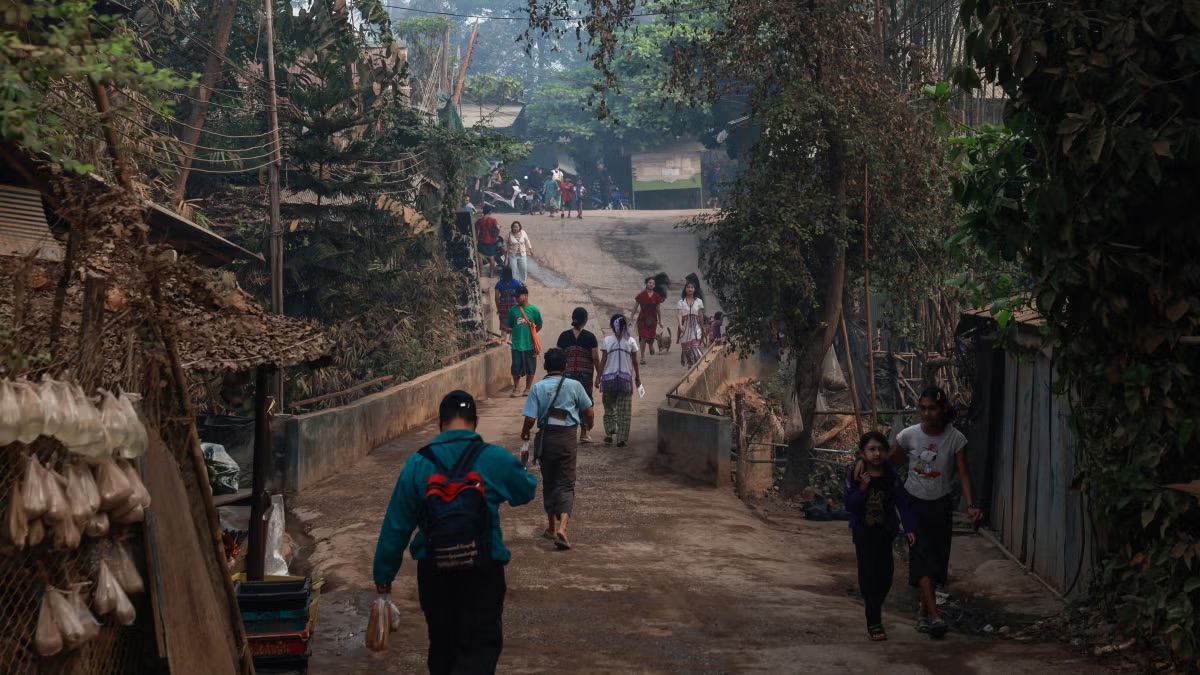
From Limbo to Belonging: Evaluating Kindness, Trust-Building, and Social Cohesion Interventions Among Displaced Myanmar Women in Thailand
Wei-Ti Chen, Yuka Imai
Abstract
Displaced populations often experience prolonged uncertainty, social exclusion, fractured trust, and diminished opportunities for positive social engagement. While community organizations serving refugees and migrants implement psychosocial support programs, peer support networks, mutual aid activities, and community-building initiatives intended to foster kindness, trust, and social cohesion, how participants experience these interventions or which components are perceived as most effective are understudied. This gap limits the ability of organizations to strengthen programs designed to reduce social fragmentation and promote resilience. Building on an ongoing project of Myanmar women displaced to Mae Sot, Thailand, this study will explore how community-based kindness and trust-building interventions influence participants’ experiences of belonging, social trust, constructive engagement across differences, and wellbeing. Using in-depth qualitative interviews with 30 displaced Myanmar women who have participated in community-based support programs, the project will examine perceived pathways through which interventions foster compassion, inclusion, and community connection while mitigating experiences of mistrust, exclusion, and social isolation. Findings will identify intervention components most strongly associated with positive social outcomes and generate community-informed recommendations for strengthening kindness-based programming. Results will provide actionable evidence for community organizations, practitioners, and policymakers seeking to promote social cohesion, resilience, and well-being among populations affected by displacement and political conflict.
Field
School of Nursing
Extramural Partners
Mae Tao Clinic, SAW Foundation (Social Action for Women Foundation), Glocal Action
