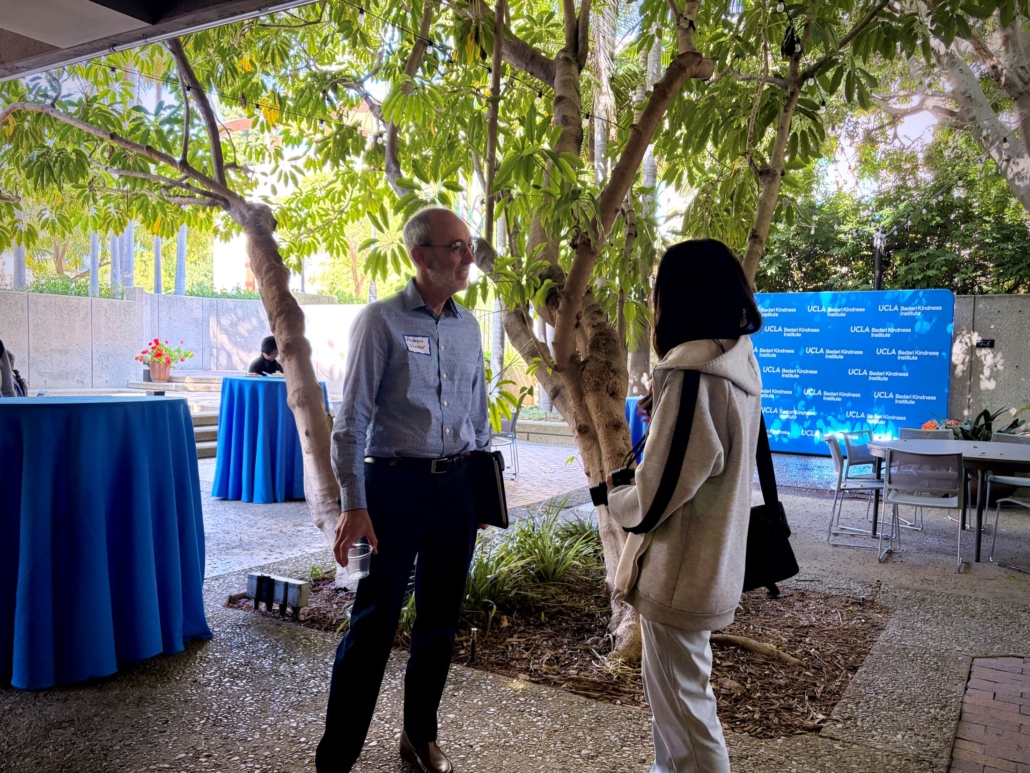
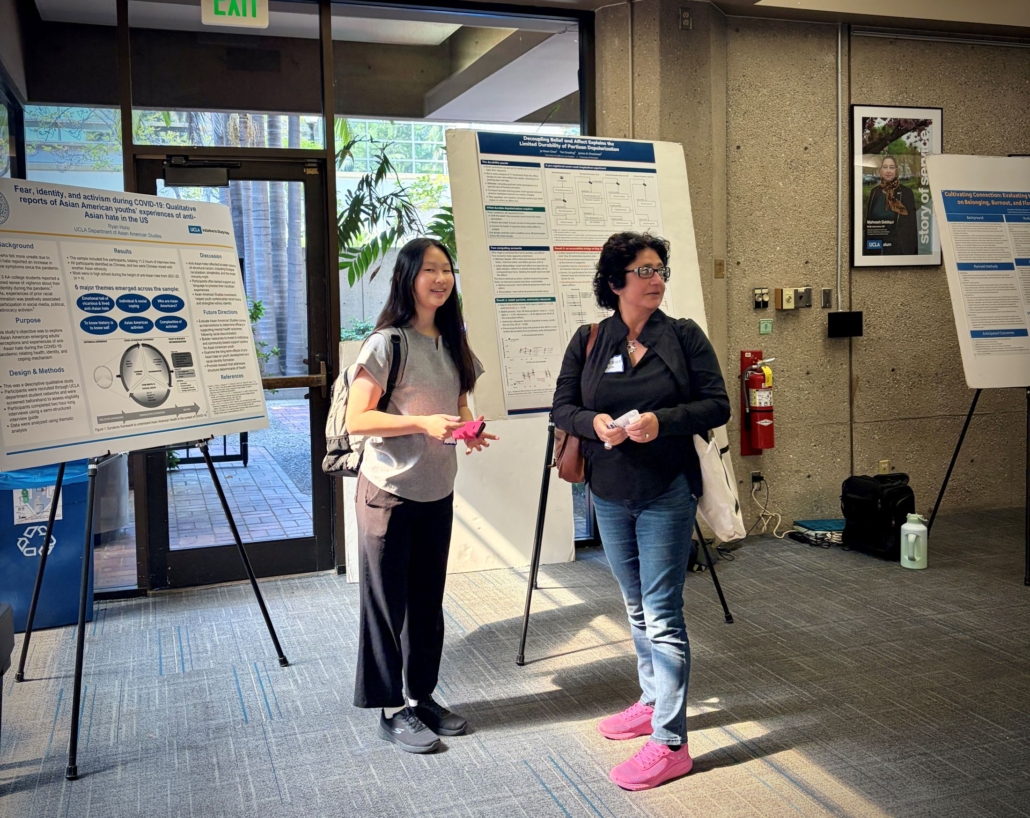
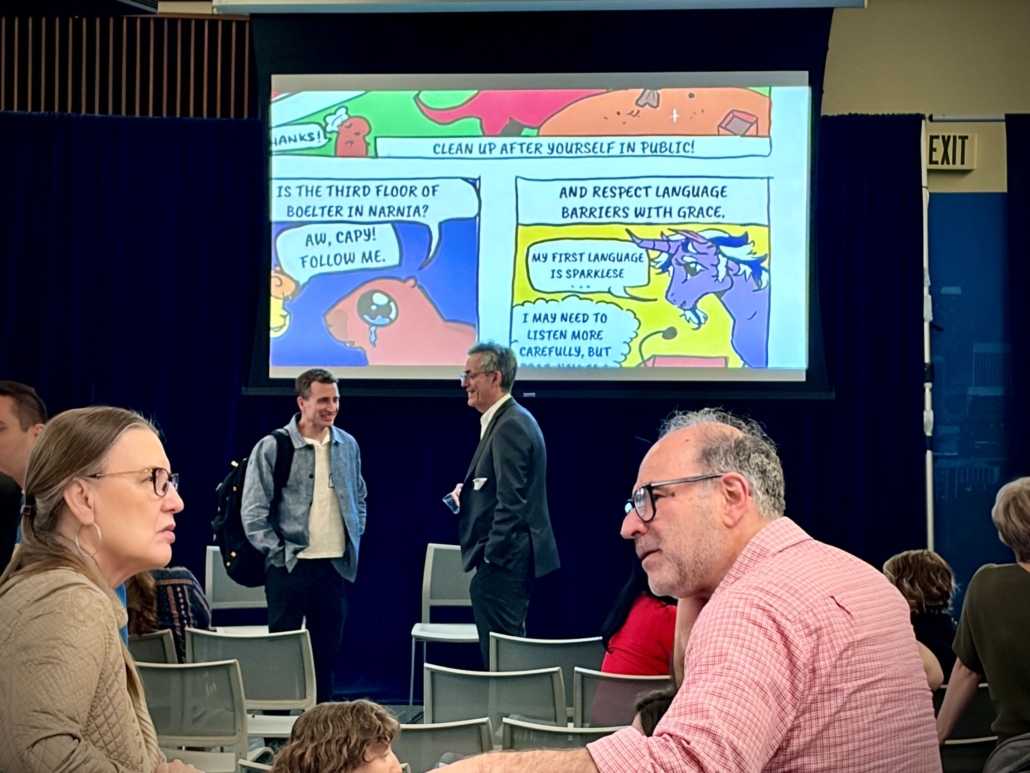
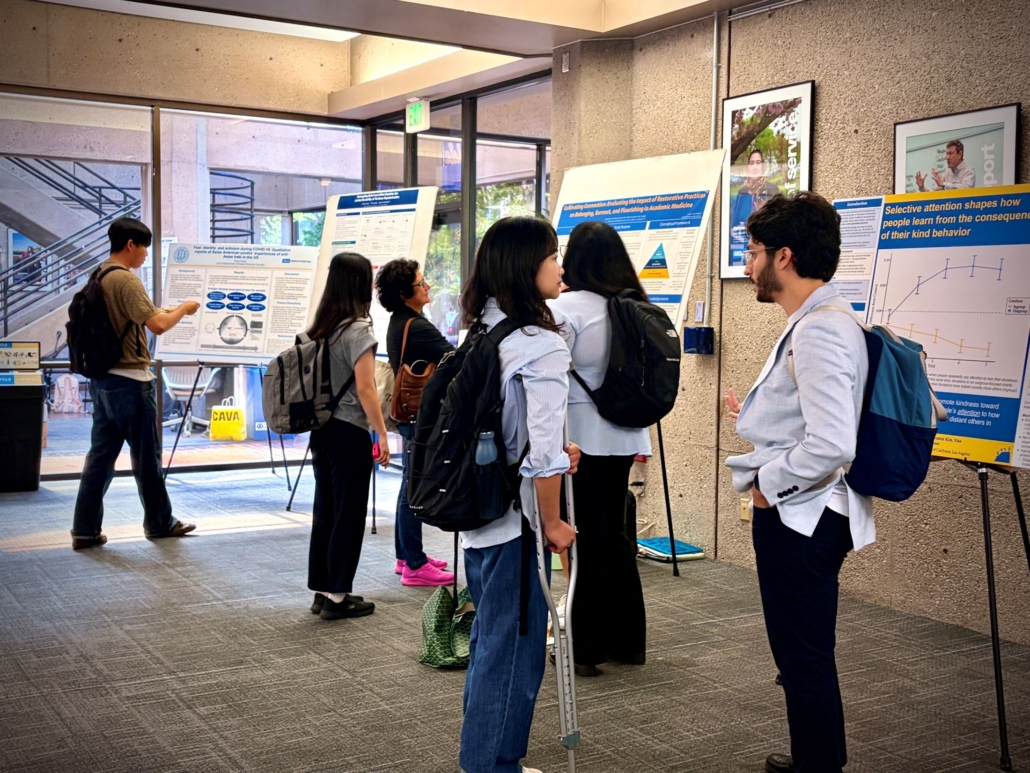
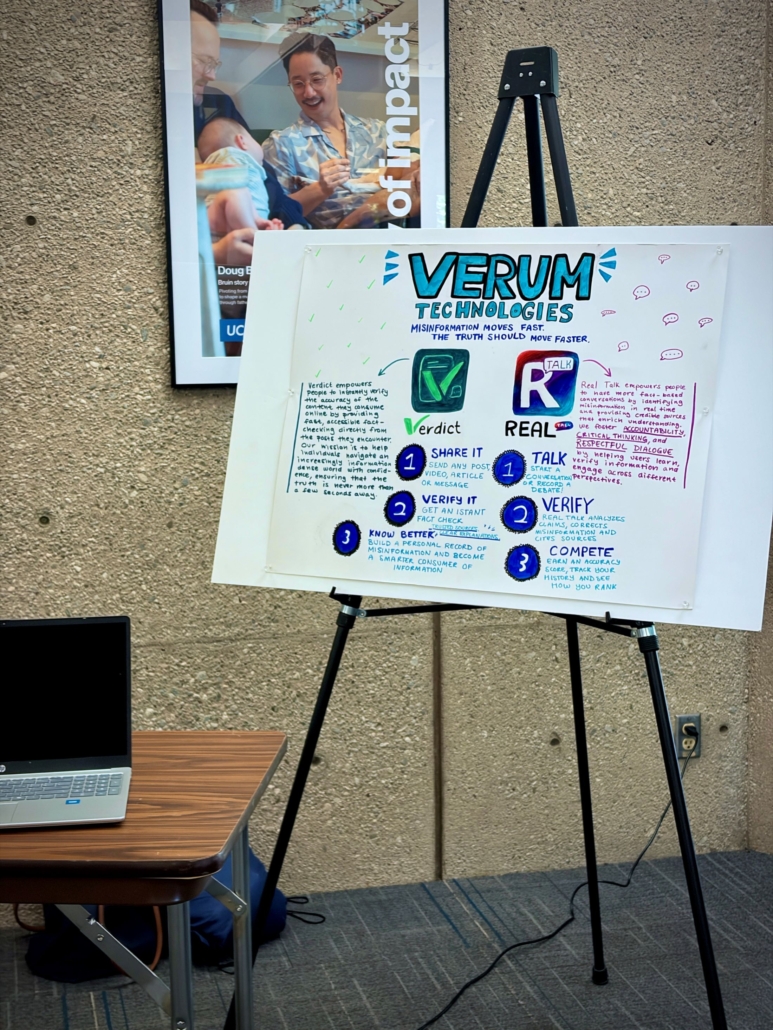
In opening the third annual Bedari Kindness Institute Impact Symposium, which in its first year was sponsored by the UCLA Initiative to Study Hate, director David Myers described the institute’s dual commitments:
The first is to foster cutting-edge research in a robust and collaborative community… the second, in a certain sense, the sufficient condition for success, is to bring that work to wide public attention.
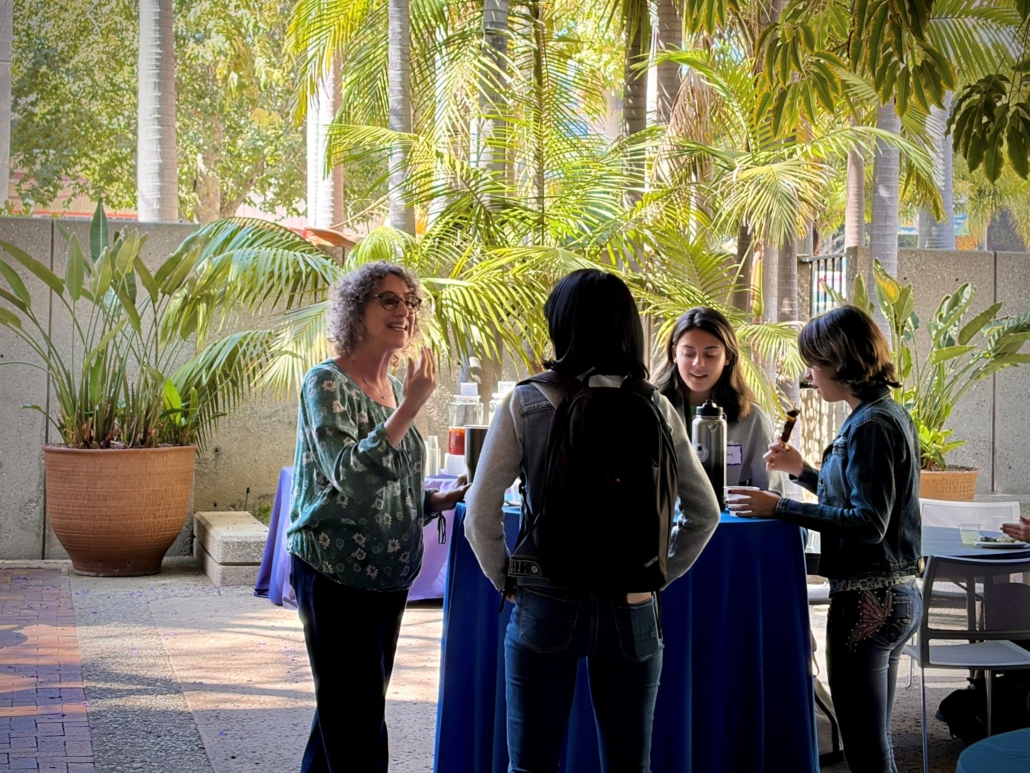
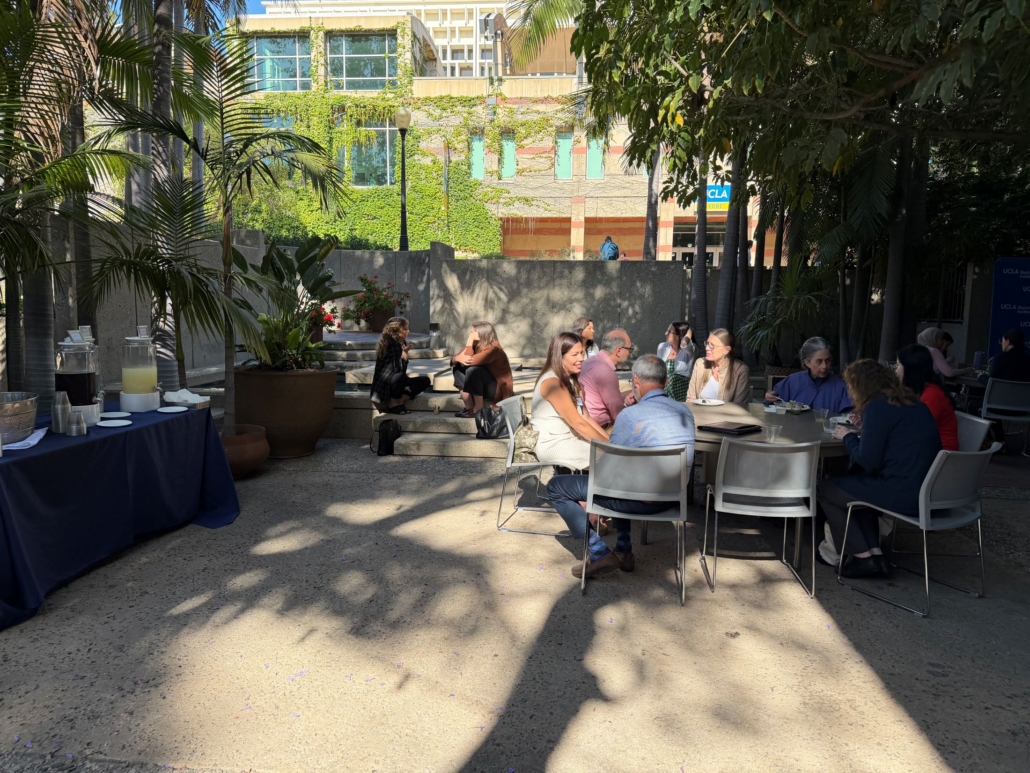
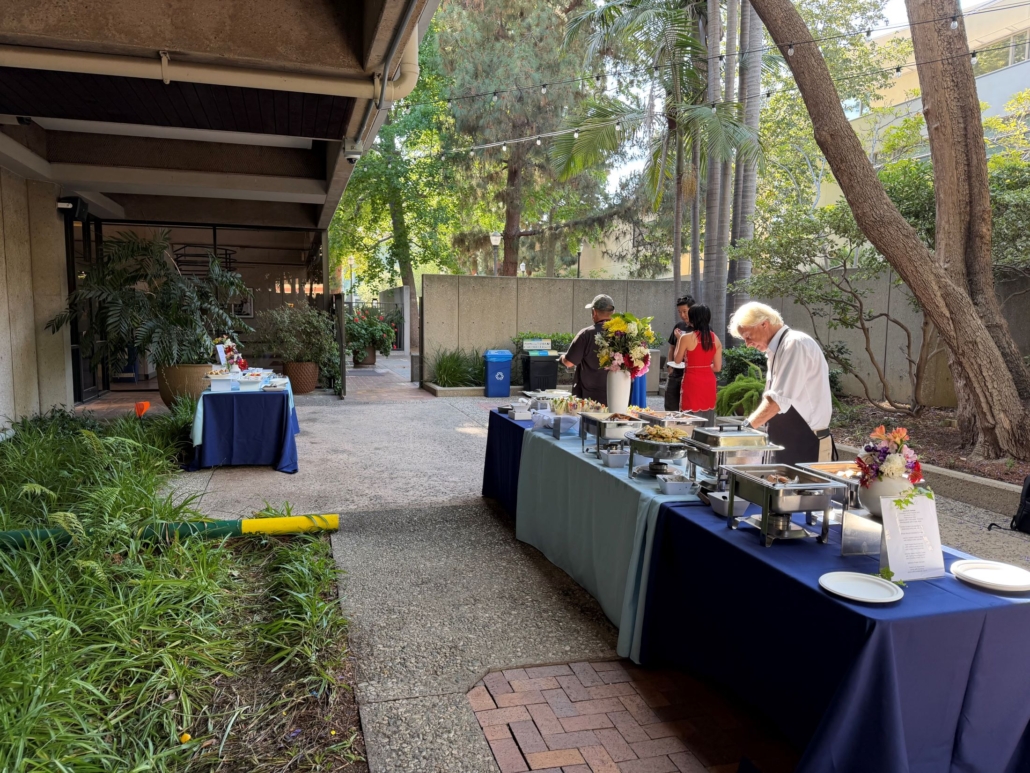
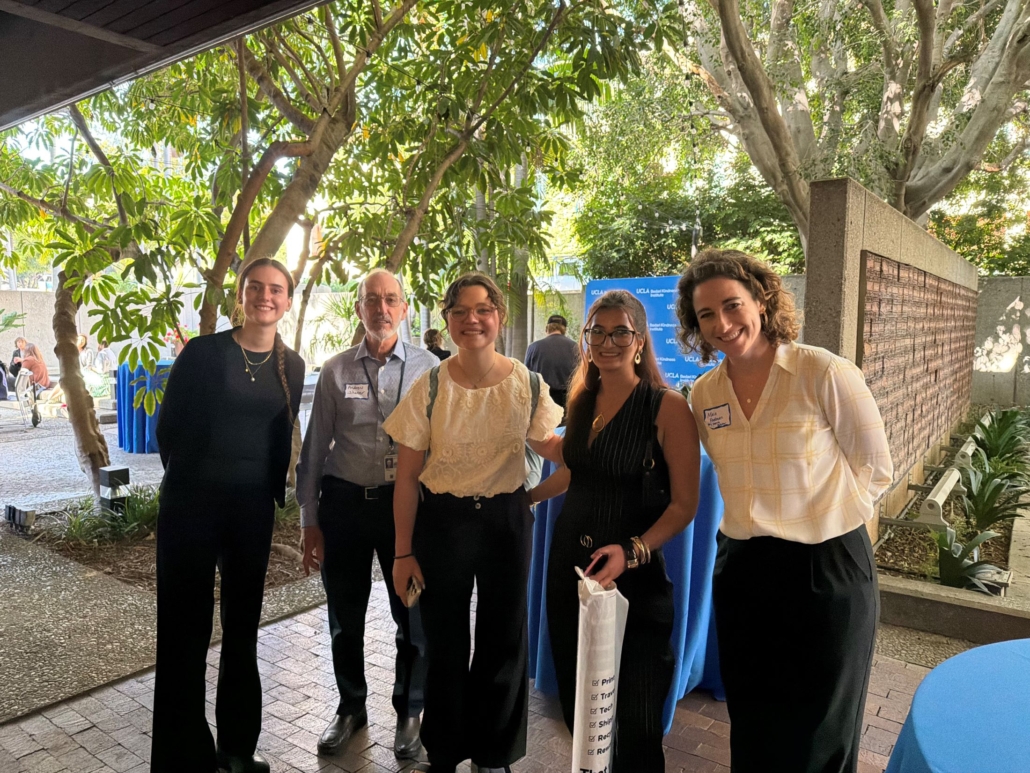
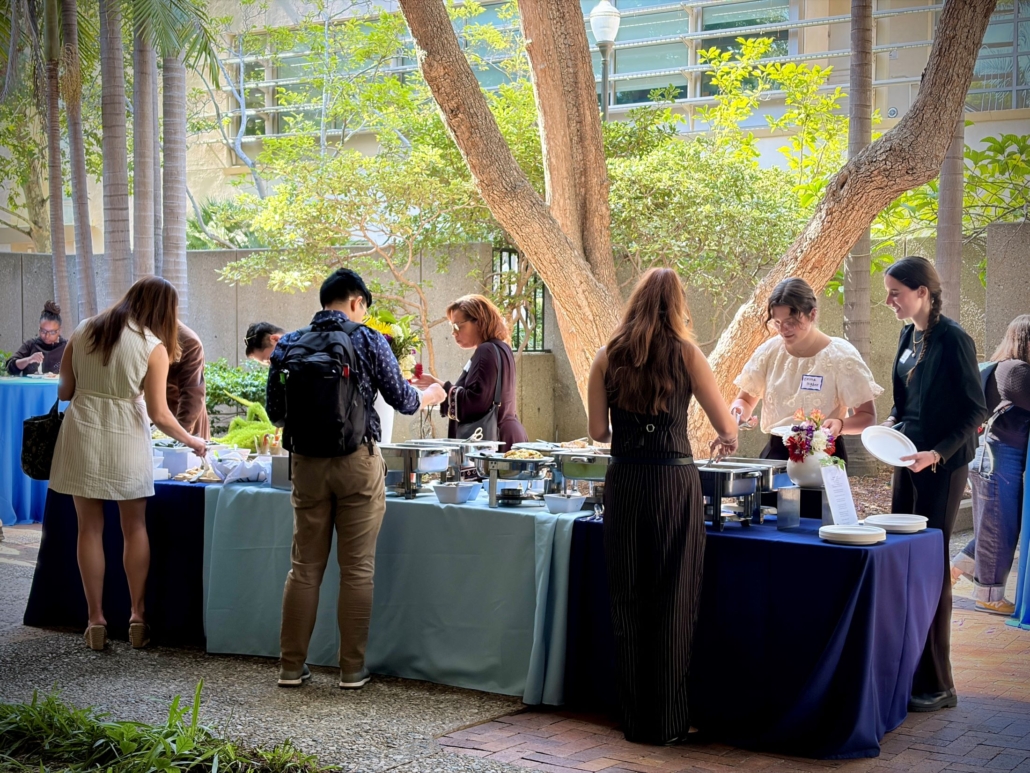
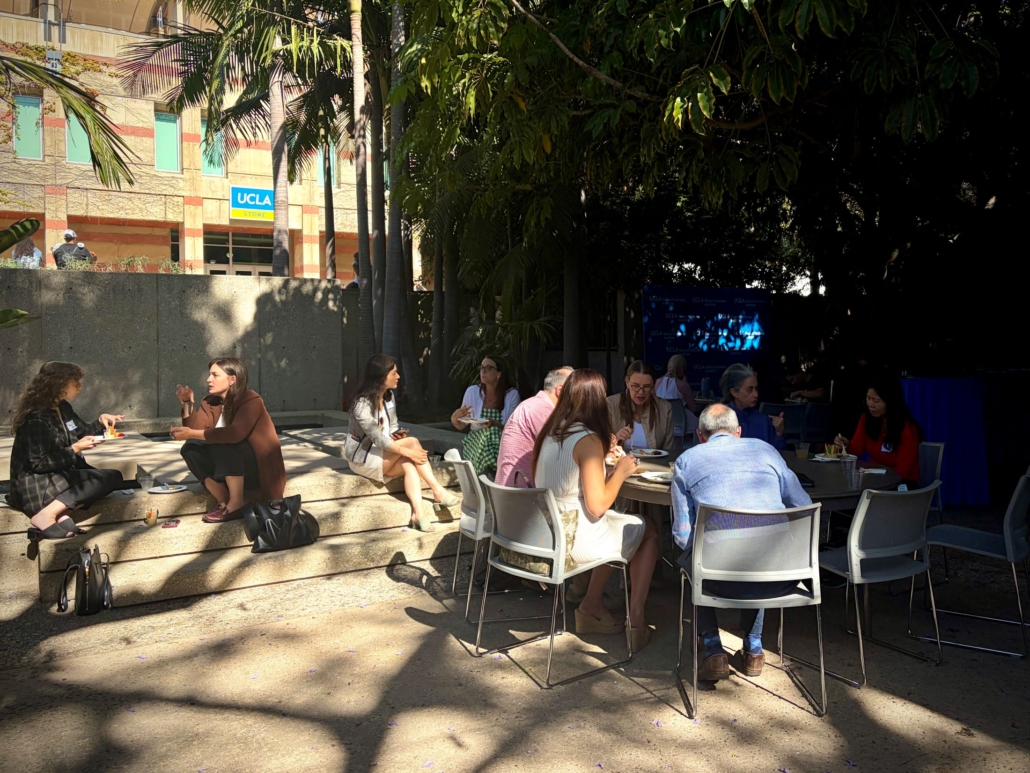
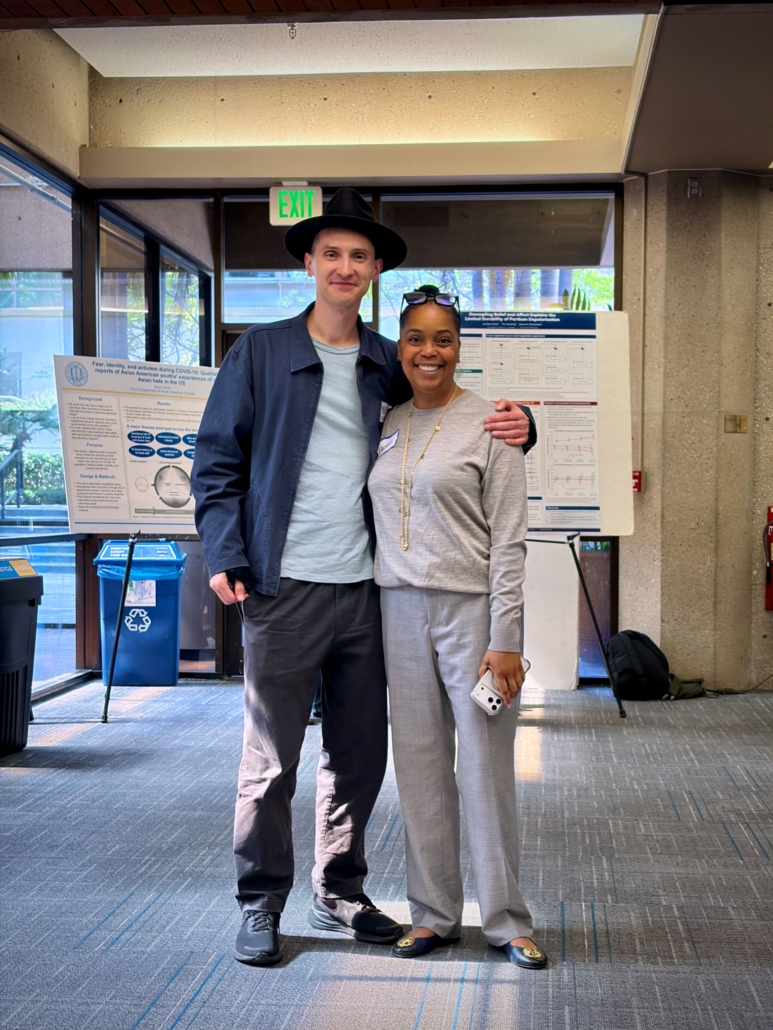
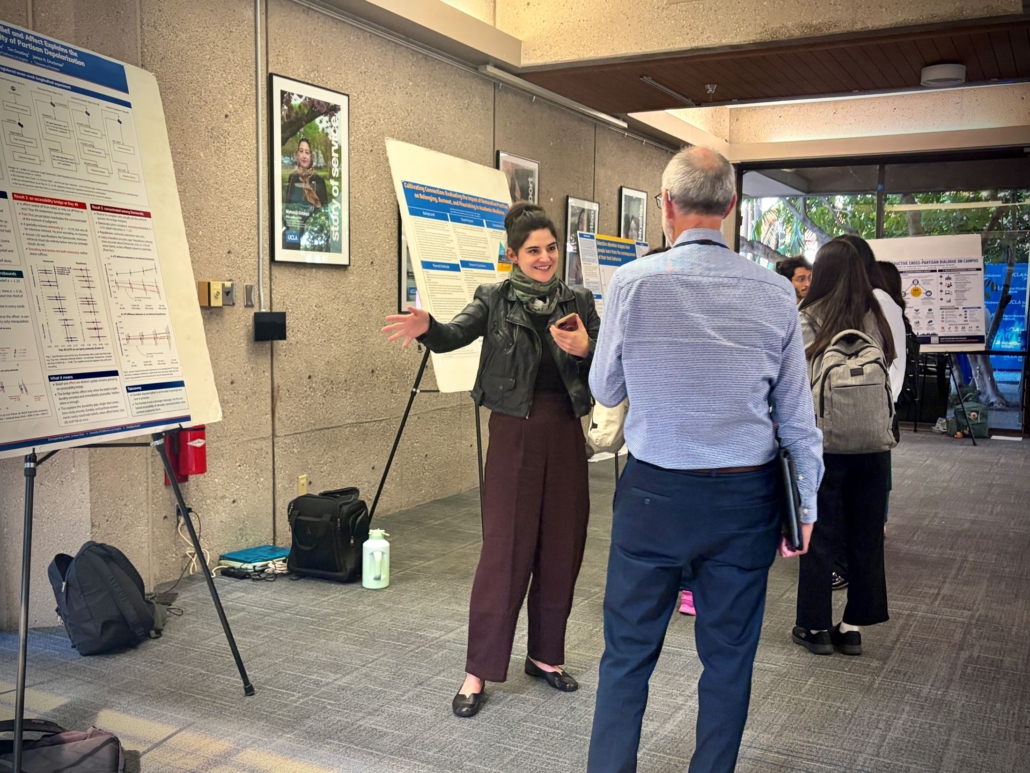
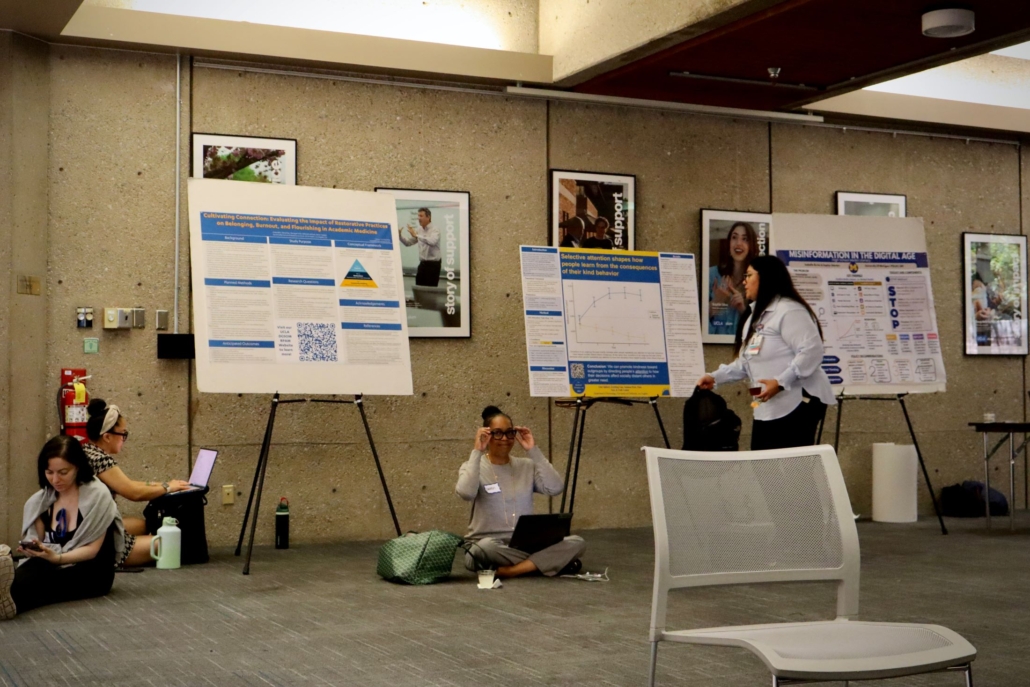
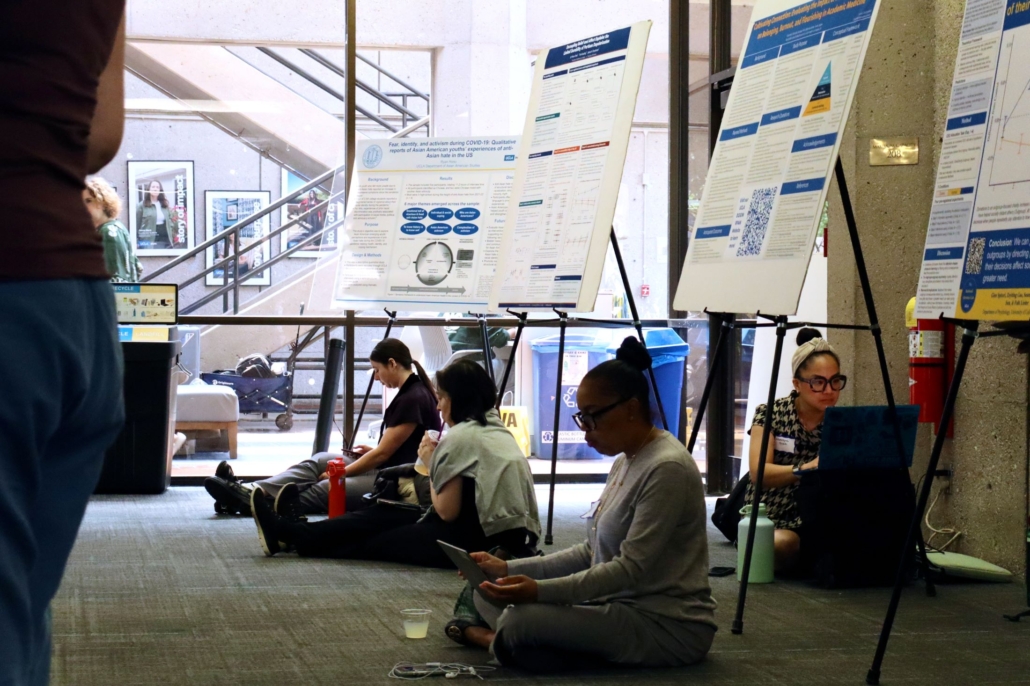
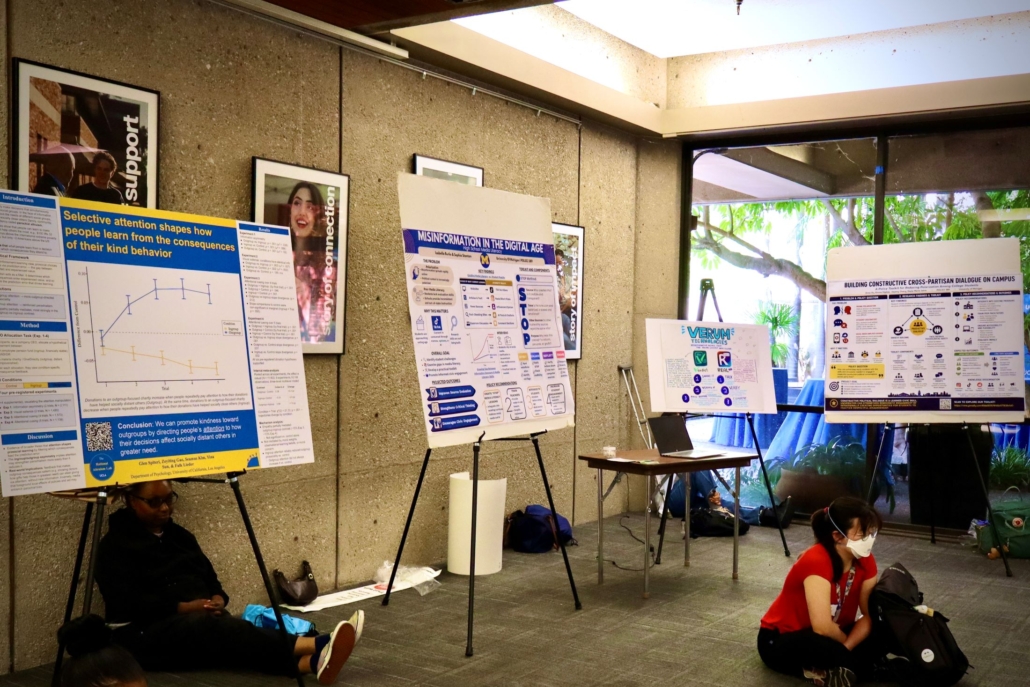
Held on April 29, the symposium brought together UCLA researchers from across disciplines to examine how scholarship on hate, kindness, health, technology, and democracy can help address some of the most pressing challenges of the present moment in a public forum.
The day’s first discussion, “Replacing Polarization and Hate with Compassion,” featuring Cesi Cruz, Aliza Luft, Stuart Soroka, and Aaron Panofsky, challenged common assumptions about polarization and its relationship to hate. Rather than treating polarization as a single phenomenon, panelists distinguished between ideological polarization—differences in political beliefs—and affective polarization, the growing tendency to distrust or dislike those on the other side of the political spectrum. They also explored how distorted perceptions of what others believe can fuel both threat inflation and threat minimization, leading people to respond to imagined realities rather than actual ones. The discussion pointed to evidence that trusted institutions, community leaders, and opportunities for direct, in-person conversation can help reduce these distortions and rebuild social trust.
Questions of compassion and community carried into “Fortifying Practices of Compassion and Community,” with Kirstin Buen, Maria Naclerio, Tria Blu Wakpa, and Andrew Shaner, where researchers examined how kindness operates not only as an individual virtue but also as a structural concern. Drawing on research from healthcare, Indigenous communities, and carceral settings, panelists highlighted evidence that everyday acts of kindness improve mental health, particularly when practiced collectively. At the same time, they emphasized the moral distress experienced by healthcare professionals who are unable to provide the care they believe patients deserve because of institutional constraints. The discussion expanded beyond healthcare to consider how performance, cultural practice, and community engagement—including work with incarcerated and Indigenous populations—can foster dignity, empathy, and belonging in environments often characterized by exclusion.
The symposium concluded with “Toward a Better AI? Can it Combat Hate with Kindness?” featuring Kathryn Huether, Christine Ong, Ashima Suvarna, and Sara Wilf, which turned attention to the growing influence of artificial intelligence. The panel emphasized that while generative AI has rapidly transformed public attention, artificial intelligence itself is not a new technology. Rather, AI encompasses decades of research, with contemporary generative tools representing only one recent development.
Panelists stressed the importance of understanding AI as a tool rather than an independent actor. Suvarna emphasized that AI is often spoken about as though it possesses agency, these systems simulate aspects of human learning, reasoning, and language using patterns drawn from existing human-created data. They cannot independently generate new knowledge or historical facts, but they can produce convincing inaccuracies and misinformation that appear authoritative. Although AI cannot create new historical facts, it was noted, it can generate persuasive historical fiction and pseudofactual narratives, underscoring the growing importance of digital and media literacy as AI becomes increasingly embedded in everyday life.
Across the symposium, a common theme emerged: addressing contemporary challenges requires collaboration across disciplines and sectors. Whether examining political polarization, strengthening communities through compassion, or confronting the opportunities and risks presented by artificial intelligence, researchers emphasized that rigorous scholarship has an important role to play beyond the university, informing public conversations and helping communities respond to an increasingly complex world.
Impact Symposium Program & Recap
Click the buttons below to explore the program or catch up on the highlights by watching our recaps on YouTube!